

What to Do After an Online Scam in Canada
If you have just realised you have been scammed, the next few hours are critical. Acting quickly preserves evidence, limits further damage, and significantly improves the outcome of any investigation or dispute. This guide walks you through every step — in the right order — so you can move forward with clarity and confidence.
You Are Not Alone — and It Was Not Your Fault
Online scams are sophisticated criminal operations run by organised teams of professional fraudsters. They use psychological manipulation, fabricated credibility, and precisely timed pressure to deceive intelligent, careful people every day across Canada.
The Canadian Anti-Fraud Centre receives tens of thousands of scam reports annually — and the vast majority of victims had no prior experience with fraud. Feeling embarrassed or confused is a normal response. What matters now is taking the right steps in the right order.
The single most important thing to understand is this: the sooner you act, the more options you have. Evidence disappears, bank recall windows close, and platform accounts get deleted within hours. This guide gives you the clearest possible path forward.

What to Do Right Now — In This Order
These steps are ordered by urgency. The first two should be completed within hours of realising what happened — not days.
Stop All Payments Immediately
Do not send any further money for any reason — even if told more funds will release your money. Contact your bank’s fraud line now if a recent transfer was made.
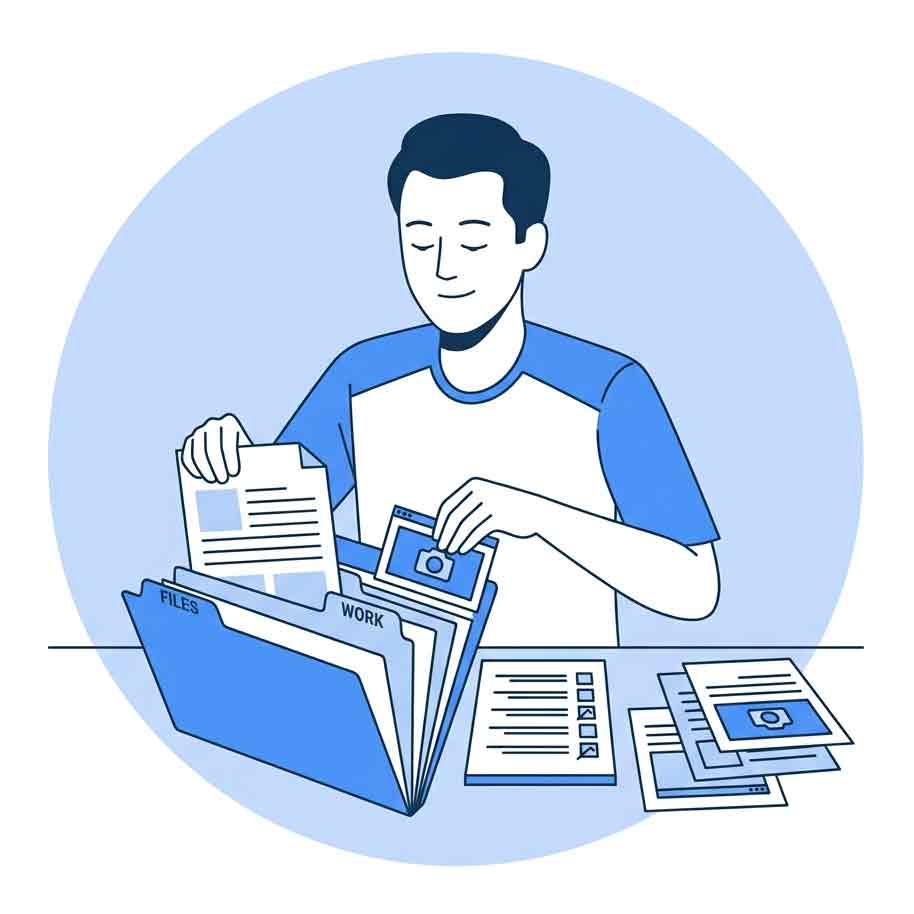
Preserve All Evidence
Screenshot every conversation, profile, account dashboard, and document before anything disappears. Save all transaction records. Do not delete a single message.
Report to Your Bank
Call the fraud line on the back of your card. Request a chargeback if a card was used. For wire transfers, ask about a recall — timing is critical and same-day action gives the best chance.
Get Your Case Documented
A structured investigation report is what banks and legal counsel need to act on your behalf. Submit your case to ScamResponse.ca for a free assessment — we respond within 24 hours.
What NOT to Do After a Scam
These mistakes are made by well-meaning victims every day — and each one makes recovery harder. Avoid all of them.
Do Not Confront the Scammer
- Confronting them directly causes them to delete all accounts and disappear immediately
- This destroys evidence before it can be captured and documented
- It also rarely results in any money being returned — it only destroys your case
- Document everything first, then cease contact without explanation
Do Not Pay Any More Fees
- Any request for additional payment to release your funds is itself a scam tactic
- This includes taxes, compliance fees, insurance, verification charges, or upgrade costs
- No legitimate institution requires upfront fees to release funds you already own
- Every additional payment makes bank recovery harder and funds the scam operation
Do Not Use a Recovery Service That Contacts You
- Unsolicited “recovery services” that contact scam victims are almost always a second scam
- They claim special connections to law enforcement or the ability to reverse transactions
- They take an upfront fee and deliver nothing — or disappear entirely
- Any legitimate investigation service will never cold-contact you after a loss
Do Not Wait Before Acting
- Bank chargeback and recall windows are short — some as little as 24 to 48 hours
- Platform accounts, profiles, and websites are deleted rapidly after scams are reported
- Cryptocurrency transactions become harder to trace with every passing day
- Police investigations are more productive when evidence is fresh and documented early
What to Save Before It Disappears
Scam platforms, profiles, and accounts disappear within hours. Screenshot and save everything on this list as your first priority.
All chat conversations — WhatsApp, Telegram, email, dating apps, social media
Profile pages, photos, and bios of everyone involved
Platform or website URLs and any account dashboard screenshots
Every payment receipt, bank transfer confirmation, and transaction record
Wallet addresses and transaction IDs if cryptocurrency was involved
Any contracts, documents, or official-looking correspondence received
All phone numbers, email addresses, and usernames used by anyone involved
A written timeline of events — dates, platforms, amounts, and what was said
Not Sure What to Do Next? Let Us Help.
Submit your case for a free confidential assessment. We review every submission within 24 hours and tell you honestly what your investigation can achieve.
Start Here. It is Completely Free.
Submit whatever you have — even if it feels incomplete. Your assessment is 100% free, there is nothing to pay upfront, and we respond within 24 hours.
Why a Professional Investigation Report Makes a Difference
Filing a police report or bank dispute without organised documentation is one of the most common reasons complaints stall or are closed without action. Banks need structured evidence of fraud. Police need a clear case file. Regulators need documented misrepresentation.
ScamResponse.ca takes the evidence you have — screenshots, messages, transaction records, platform details — and turns it into a professional investigation report written for the institutions that need to act on it. Our reports are used successfully for bank disputes, police investigations, and regulatory complaints across Canada.
-
1
Submit your case — share whatever evidence you currently have, no matter how incomplete it feels
-
2
Receive a free honest assessment of what the investigation can document and what your options are
-
3
Get a structured evidence report ready for banks, police, and legal counsel within one to two weeks

FAQ — What to Do After an Online Scam
Practical answers to the questions scam victims ask most often in the hours and days after a fraud.
How long do I have to request a chargeback from my bank?
Do I need a lawyer before taking any action?
The scammer is based in another country. Can anything still be done?
I already paid a recovery service and lost more money. What now?
Related Guides for Scam Victims
Free resources to help you understand, document, and respond to online fraud in Canada.
|
What to Do After an Online Scam — Current Page
|
| Evidence Checklist for Scam Victims |
| Pig Butchering Scam — How It Works |
| Red Flags of a Fake Investment Platform |
| How to Report a Scam in Canada — Step by Step |